
When you are told by your dentist that you have to get a filling, you may think of the sound of the dental drill or whether you will find the procedure uncomfortable. The positive thing is that in the modern dental practice, fillings have become one of the most common and simplest procedures that are done.
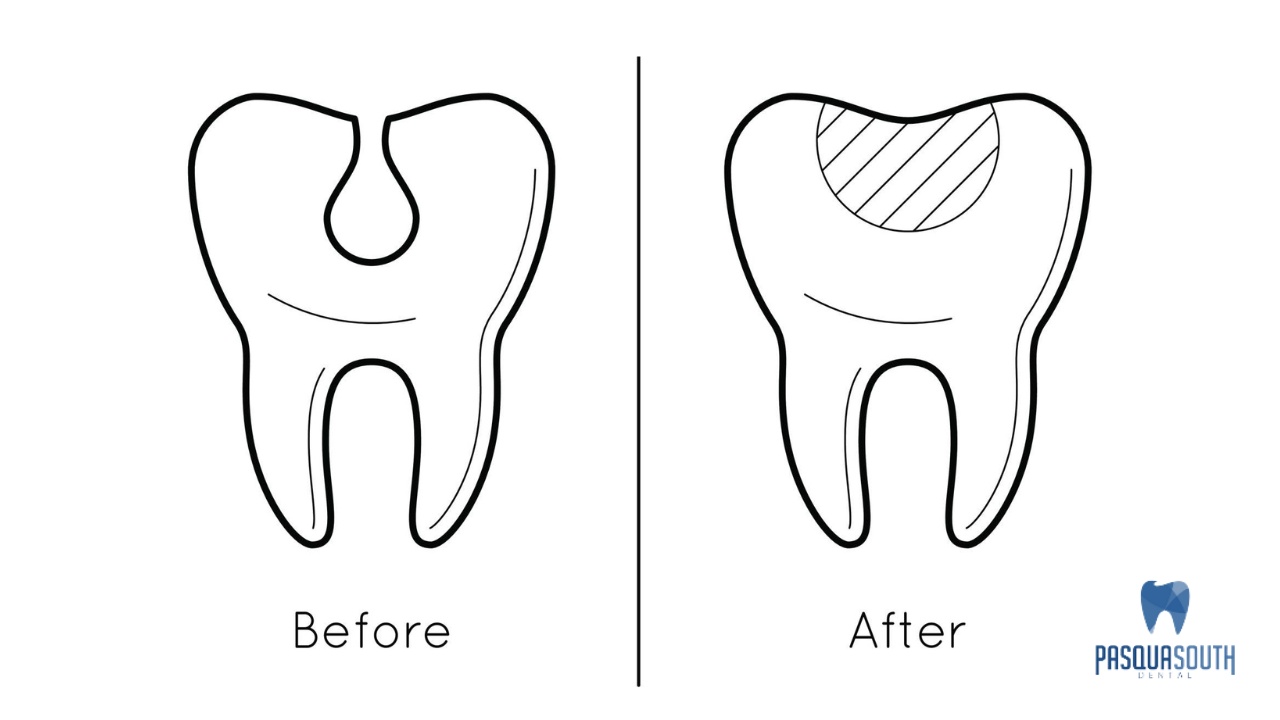
At Pasqua South Dental, fillings for affected teeth due to cavities are performed daily. A filling is used to restore the tooth’s strength when treated at an early stage, ensuring that the decay does not spread further.
In case you have never tried it before, it is possible to make the process more comfortable when you understand it.
How Dentists Find Cavities
Before any type of treatment can be carried out, your dentist must first ensure that there is a cavity and then assess the size of the decayed area. In the process of a regular examination, the dentist is going to make a visual inspection of the tooth and might also perform a review of dental X-rays to observe what is going on under the surface. There are cases when the enamel can be slightly softer, with bacteria already beginning to destroy it.
After the cavity is confirmed, a filling is often recommended to prevent further decay and repair the tooth.
Numbing the Tooth
The fear of whether or not they will get a filling and whether it will hurt or not is one of the most popular among patients. Luckily, the surrounds of the tooth are numbed using a local anesthetic prior to the process itself.
When the anesthetic is administered, most patients feel a pinch that is quickly numbed, but thereafter the area becomes numb. Although you might experience some pressure in the process, the objective is to ensure that you feel comfortable in the course of the appointment.
Anesthesia is fast and efficient in modern circumstances, which is why people get surprised that the process is so easy.
Removing the Decay
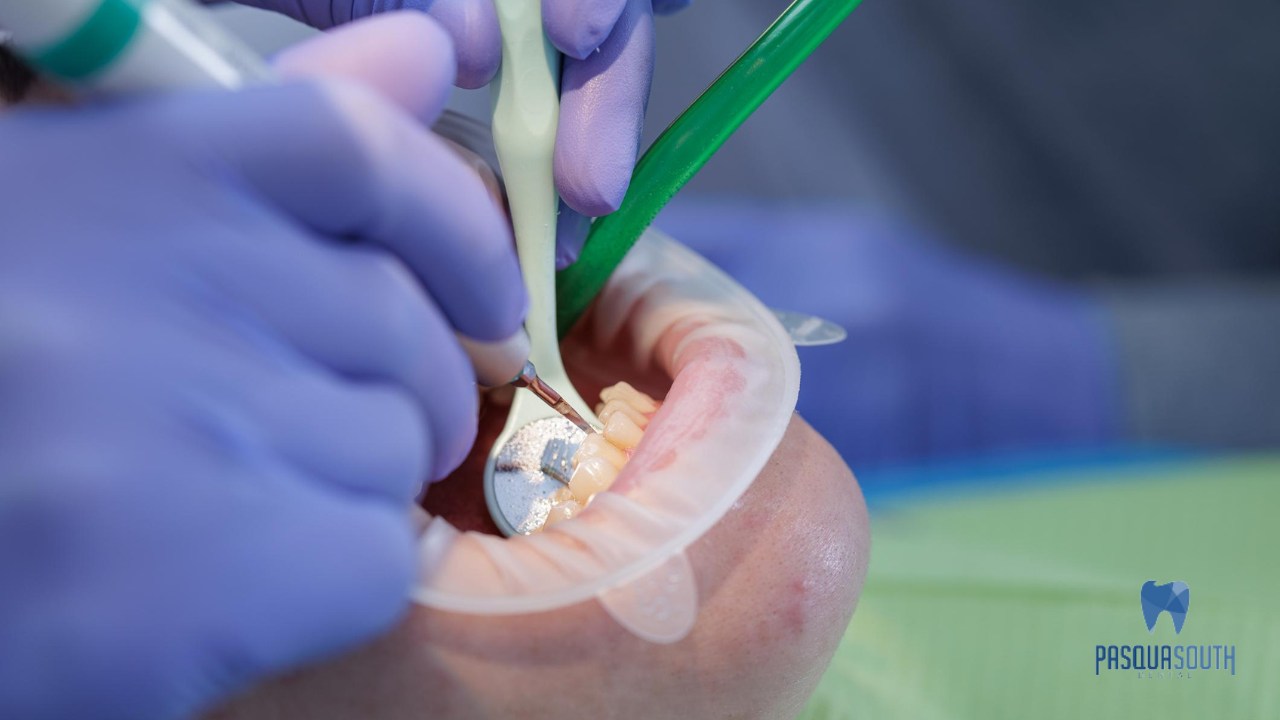
After the tooth has been completely anesthetized, the dentist excises the part of the tooth that has been decayed. This is, more often than not, accomplished using specialized dental instruments that carefully remove the damaged part.
It is important to note that the aim at this stage is to remove the unhealthy tooth structure and retain as much healthy tooth structure as possible. The dentist removes the deteriorated part of the tooth and thus provides an empty area to be filled with a filling material.
Washing and Brushing the Tooth
Once the decay has been removed, the interior of the tooth is then cleaned to eliminate the rest of the bacteria or debris. This is necessary, as it prevents the filling from becoming trapped as well as bacteria being trapped below the filling.
Having got the tooth cleaned and ready, the filling material can be placed into it.
Placing the Filling
Most of the dental fillings that are done today are composed of tooth-coloured composite material, which blends naturally with the other teeth. This enables the restoration to appear and appear very natural after the process is undertaken.
The material that is used as the filling is applied in layers and then moulded to fit the natural contours of your tooth. Your dentist will take their time to ensure that the tooth appears and functions as it is meant to.
Hardening and Shaping the Filling
The composite material is hardened by a special curing light. This is the quickest process and it gives the filling a tough and firm.
Once the material hardens, the dentist then smoothes and polishes the surface in order to make it feel natural. The filling will also be tested by closing your mouth and making sure that your bite does not feel too high or uncomfortable.
How Long Does the Appointment Take?
Depending on the cavity size and location, most of the dental fillings can be done in approximately 30 to 60 minutes. Due to the relatively speedy process, most patients can get booked for fillings when they come to see the dentist.
The Expectations After Your Filling
The numbness from the anesthetic can persist for several hours after the appointment. When the feeling returns, most people are able to resume their day.
It is only natural that the tooth feels slightly different initially, as your teeth get used to the new filling. Nevertheless, if your bite is uneven or uncomfortable, your dentist can easily correct it.
Preventing Future Cavities
Although fillings repair existing damage, the long-term aim is always to prevent cavities from forming. Regular oral care practice is very significant in the prevention of tooth decay.
Brushing your teeth twice a day with fluoride toothpaste, using dental floss, and seeing your dentist regularly to check your teeth will help prevent decay. Frequent cleanings also enable dentists to identify small cavities in their early stages, when they do not require much work.
Looking After Your Smile Regina
In case you are sensitive with your teeth or even have a feeling that you have a cavity, the Pasqua South Dental team can assist you. Early treatment of cavities enables the dentist to cure the cavities using simple fillings and avoid later complex dental issues.
One of the simplest practices to keep your smile and have healthy teeth in the long term is to visit the dentist regularly.