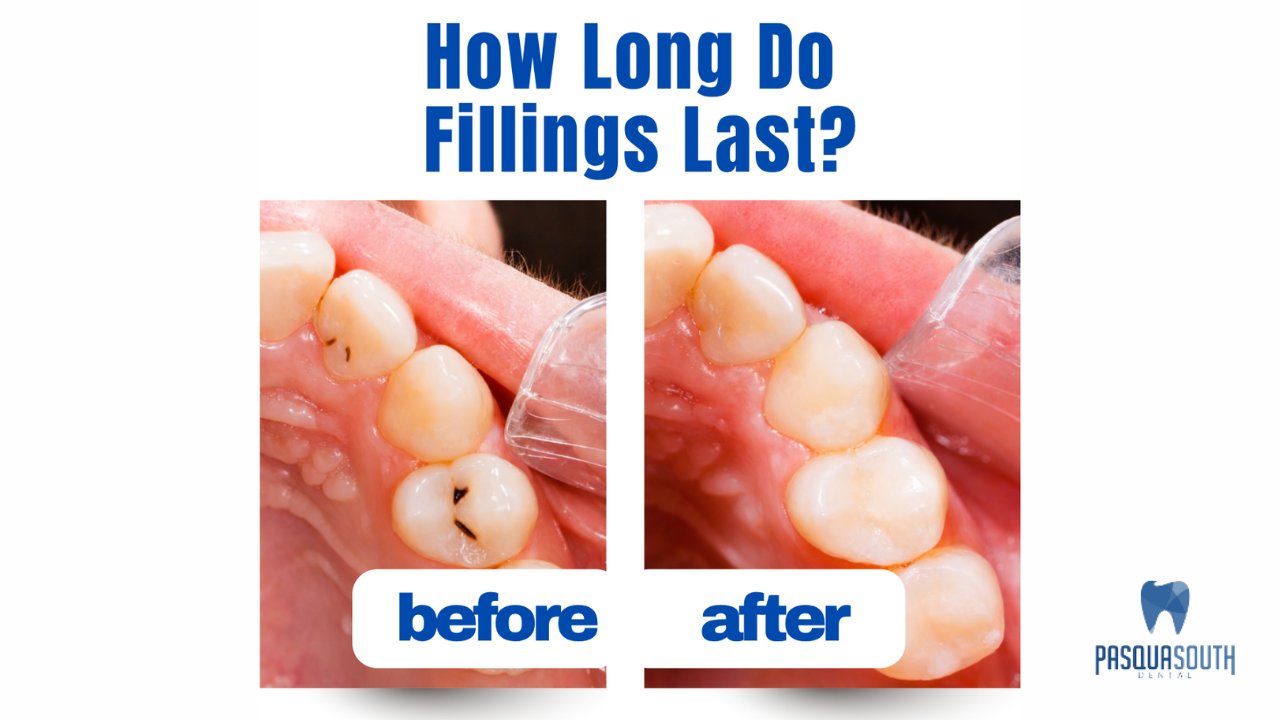
If you have ever had a cavity filled, many people don’t actually know how long it will last for.
The truth of the matter is that the average life of dental fillings is between five and fifteen years. Others live longer. It all depends on the kind of filling, where it is in your mouth and how you take care of your teeth in the long run.
But there are many important factors that can impact how long your filling lasts.
What Impacts the Lifespan of a Filling?
All fillings do not wear out in the same manner. There are a few key things that make a big difference.
The material used plays a major role. Tooth coloured composite fillings are quite popular in these days and normally have a life of five-ten years. Amalgam fillings or silver fillings can last up to about ten to fifteen years. Even longer in certain instances, such materials as porcelain or gold may be used.
The placement of the filling is important as well. Back teeth fillings are more likely to wear out sooner, as they take the brunt of the load when you chew. The front teeth do not experience the same force and the fillings in the front teeth do last longer.
Daily habits are another important piece of the puzzle. Tooth grinding, jaw clenching or biting into hard objects can cause a filling to wear out faster. Conversely, brushing, flossing and keeping up with regular dental visits will assist in increasing its life span.
How Do You Know If a Filling Is Wearing Out?
Fillings do not tend to malfunction instantly. Small changes over time are more easily noticed.
You may begin to experience pain when you eat something hot or cold. Other individuals experience pain on biting. Other people can feel the roughness of the tooth or notice a dark spot around the filling.
In other instances, symptoms are not obvious at all. It is one of the reasons why regular dental checkups are so important. Before you are aware of it, a dentist is likely to pick up the first signs of wear.
Can You Make Your Fillings Last Longer?
Yes, and it frequently boils down to mere habits.
It helps a lot to brush two times a day and floss every day. It is better to avoid hard foods or chewing any item such as ice so that you can avoid the unnecessary stress on your fillings. If you grind your teeth at night, using a night guard can protect both your fillings and your natural teeth.
It is also helpful to remain regular in terms of dental visits. Even minor problems can be detected at an early stage and corrected before it becomes more of a problem.
When Should You Get It Checked?
When something does not feel right, at least in the slightest, it is good to have dental practice examine it. Delaying the process can give a minor issue an opportunity to develop into a major one.
Although nothing seems wrong, frequent check-ups will provide you with peace of mind and will also aid you in making sure that your fillings are doing their job.
Dental Fillings in Regina
If you are in Regina and have questions about a filling, or you think one may be wearing out, it is always better to check sooner rather than later.
A good restoration keeps your tooth healthy and helps you avoid more complicated methods of dental care in the future.
Maintaining your oral health now can save time, pain and money tomorrow.