You finish brushing your teeth, spit into the sink, and notice a little pink.
Sound familiar?
Bleeding gums are something many people experience, and it’s easy to brush them off as nothing serious. Maybe you brushed too hard. Maybe you haven’t flossed in a while.
But here’s something worth knowing: healthy gums generally shouldn’t bleed when you brush or floss.
At Pasqua South Dental in Regina, we want our patients to understand what their gums might be telling them. Let’s look at five common reasons for bleeding gums and what you can do about them.
Plaque Buildup and Gingivitis
One of the most common reasons gums bleed is gingivitis, the earliest stage of gum disease.
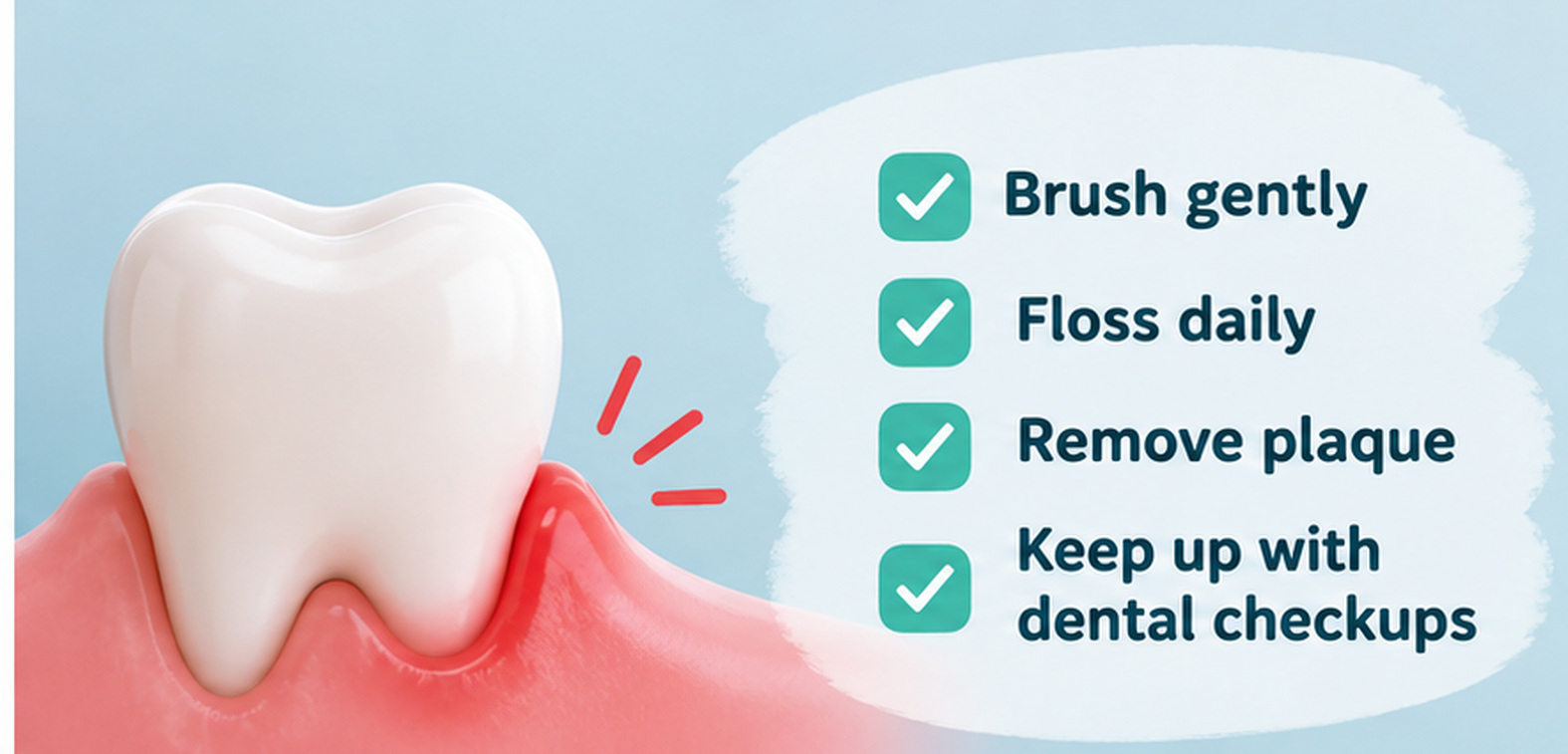
When plaque (a sticky film of bacteria) builds up around your gumline, it can irritate the surrounding tissue. This inflammation can cause your gums to become red, swollen, tender, and more likely to bleed.
The encouraging news? Gingivitis is generally reversible with proper oral hygiene and professional dental care.
However, if left untreated, it can progress to more serious gum disease.
Brushing Too Hard
Brushing harder doesn’t mean you’re brushing better.
Using a toothbrush with stiff bristles or applying too much pressure can irritate your gums.
Try this instead:
- Choose a soft-bristled toothbrush.
- Brush gently using small circular motions.
- Spend two minutes brushing, twice a day.
- Pay attention to the gumline without scrubbing aggressively.
Your teeth need consistency, not force.
You’ve Just Started Flossing Again
Be honest. Have you ever started flossing regularly right before a dental appointment?
You’re definitely not alone.
If you’ve recently started flossing after a long break, you might notice some bleeding. Often, this happens because the gums are already inflamed from plaque buildup.
The important thing is not to abandon flossing altogether.
Continue cleaning gently between your teeth each day. If the bleeding persists, arrange a dental appointment to check for underlying gum problems.
Hormonal Changes
Did you know that hormonal changes can affect your gums?
During pregnancy, changes in hormone levels can make your gums more sensitive to plaque, increasing the likelihood of inflammation and bleeding.
This is sometimes called pregnancy gingivitis.
If you’re pregnant, regular dental care and good brushing and flossing habits are especially important. Let your dental team know about your pregnancy so they can provide appropriate guidance.
Medications or Other Health Conditions
Sometimes, bleeding gums aren’t caused by your brushing habits alone.
Certain medications, including blood thinners, can make bleeding more noticeable. Some medical conditions can also affect gum health or your body’s ability to manage inflammation.
Never stop or change a prescribed medication without speaking with your healthcare provider.
If you’re experiencing unexplained or frequent bleeding, it’s worth discussing with your dentist.
When Should You See a Dentist About Bleeding Gums?
An occasional small amount of bleeding may have a simple explanation, but repeated bleeding shouldn’t be ignored.
Consider booking an appointment if you notice:
- Gums that bleed frequently when brushing or flossing
- Red, swollen, or tender gums
- Persistent bad breath
- Gums that appear to be pulling away from your teeth
- Loose teeth or discomfort when chewing
A dental examination can help identify what’s causing the bleeding and determine the most appropriate treatment. Severe swelling, fever, or uncontrolled bleeding requires prompt attention.
Keep Your Gums Healthy with Pasqua South Dental
Your gums play an important role in keeping your smile healthy. And just like your teeth, they deserve regular attention.
At Pasqua South Dental, we help Regina patients maintain healthy teeth and gums through preventive dental care, professional cleanings, and personalized advice.
Noticing bleeding gums? Let’s find out why.
Book an appointment at Pasqua South Dental in Regina and take the next step toward a healthier smile.